Rao Abdul Kareem Biography
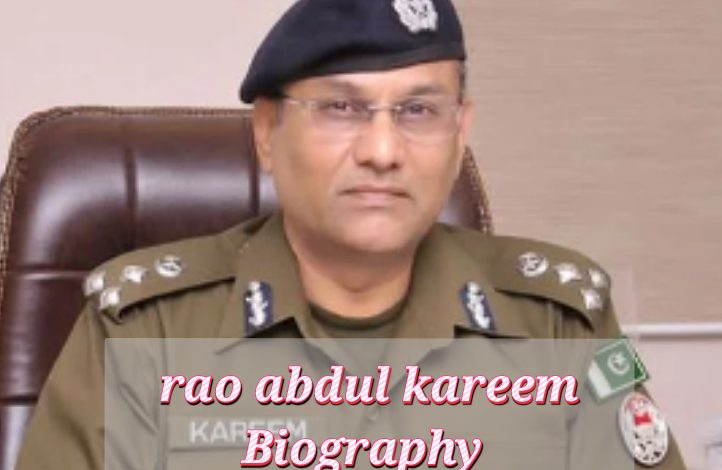
Rao Abdul Kareem stands as a key figure in Pakistan’s law enforcement world. He took on the role of Inspector General of Police for Punjab on February 3, 2026. This move replaced Dr Usman Anwar, who shifted to head the Federal Investigation Agency. With close to 30 years in the Police Service of Pakistan, Kareem brings a mix of skills from intelligence work to on the ground command. People see him as a quiet, skilled officer who focuses on results without seeking the spotlight.
His story starts in a small town and leads to leading one of the largest police forces in the country. Punjab Police handles law and order for over 100 million people. As IG, Kareem now guides efforts to fight crime, terrorism, and everyday safety issues. His past roles show he knows how to handle tough spots, from city streets to highway patrols. This biography looks at his path, offering a clear view for anyone interested in how police leaders shape public safety.
Many ask who Rao Abdul Kareem is and why he got this top job. He comes from the 24th Common group of officers who joined in 1996. His work covers districts like Jhang and Mianwali, plus special units on traffic and intelligence. This range makes him stand out. Readers can learn about his steady climb and what it means for Punjab’s future. The goal here is to share facts in a simple way, helping you understand his impact without complex words or extra fluff.
Pakistan’s police system faces many tests, like rising crime and security threats. Kareem’s appointment comes at a time when people want better results. His low key style might bring calm changes. Think of him as a bridge between old ways and new needs. This intro sets the stage for his full story, from early days to current duties. By the end, you will see why his role matters to everyday life in Punjab.
Rao Abdul Kareem Early Life and Background
Rao Abdul Kareem grew up in Nawabshah, a town in Sindh province. This area, known for its farming and hot weather, shaped his early years. Born in the mid 1960s, he likely spent childhood in a simple setting. Families there often value hard work and education. Though details on his parents stay private, it seems they encouraged a path toward public service.
Nawabshah offers a mix of rural life and city access. Young Kareem would have seen local issues like water shortages or basic security needs. These might have sparked his interest in helping communities. Sindh has a rich history of leaders who serve the nation, and Kareem fits that mold. He represents how someone from a smaller place can rise high.
His background ties to Pakistan’s diverse regions. Coming from Sindh to lead in Punjab shows unity in the civil services. Officers like him move around to gain broad views. This helps them understand different cultures and problems. In his case, starting in Nawabshah built a strong base for handling big roles later.
People often search for his age or family roots. Based on his 1996 entry into service, he is in his late 50s now. This puts him at a peak time for leadership, with energy and wisdom combined. His story inspires young people from similar towns to aim for civil service exams.
Rao Abdul Kareem Education
Education played a big part in Rao Abdul Kareem’s success. He completed his schooling in Nawabshah, focusing on core subjects like math and science. Local schools there stress discipline, which likely helped his future in police work.
He went on to higher studies, earning a degree before aiming for the civil services. In Pakistan, many officers come through the Central Superior Services exam. Kareem passed this tough test in 1996. It covers topics like history, law, and current events. Passing it opened doors to the Police Service of Pakistan.
Training followed at the National Police Academy. There, he learned skills like investigation and leadership. The program lasts months and includes physical fitness. This built his foundation for real world duties.
His education went beyond books. On the job learning added to it. Roles in different areas taught him about people and problems. This mix of formal study and practical experience makes him effective.
Many wonder about his qualifications. He holds a bachelor’s degree, common for CSS candidates. The exam itself tests deep knowledge. Success in it shows strong thinking skills. For readers, this highlights how education leads to big opportunities in public service.
Rao Abdul Kareem Career
Rao Abdul Kareem’s career spans many roles in Pakistan’s police force. He started in 1996 as an Assistant Superintendent of Police. This entry level post let him learn basics like managing stations and handling cases.
Early on, he served in Lahore, dealing with urban crime. This built his skills in busy settings. Then, he became District Police Officer in Jhang. There, he oversaw law in a rural area with sect issues. His work focused on keeping peace.
Next, as DPO in Mianwali, he tackled local crimes like theft. Mianwali has tough terrain, so patrols needed smart plans. He improved response times.
In Kasur, another DPO role, he handled border area challenges. Kasur sees smuggling, so his efforts cut illegal activities.
He moved up to Regional Police Officer in Gujranwala. This covered multiple districts. He coordinated teams for better results. Crime stats improved under him.
Specialized jobs followed. As DIG Traffic Punjab, he managed road safety. He set up better systems for fines and checks. This reduced accidents.
Then, as Additional IG Punjab Highway Patrol, he led units on major roads. His team stopped robberies and helped travelers.
In intelligence, as Additional IG Special Branch Punjab, he focused on threats like terrorism. This role involved gathering info and planning ops. His work kept Punjab safer.
Here is a list of his key positions:
- Assistant Superintendent of Police, starting in 1996.
- District Police Officer in Jhang.
- District Police Officer in Mianwali.
- District Police Officer in Kasur.
- Regional Police Officer in Gujranwala.
- DIG Traffic Punjab.
- Additional IG Punjab Highway Patrol.
- Additional IG Special Branch Punjab.
Each step added to his expertise. He handled both field and desk work. This all round experience prepared him for top leadership. In Punjab, police face issues like cyber crime and public trust. Kareem’s path shows how varied roles build strong officers.
His career highlights include counter terrorism efforts. In Special Branch, he coordinated with other agencies. This led to key arrests. Traffic reforms under him saved lives. Highway patrols became more effective.
Compared to others, Kareem stayed low profile. He avoided politics, focusing on duty. This earned respect. For readers, his story teaches patience and hard work pay off in public service.
Rao Abdul Kareem Recent Appointment as IG Punjab
On February 3, 2026, Rao Abdul Kareem became IG Punjab. This came after Dr Usman Anwar moved to DG FIA. The federal government issued the notice.
The change followed talks between federal and Punjab leaders. Names like Bilal Siddique Kamyana and Waseem Sial came up, but Kareem won out. His clean record and skills fit the need.
Punjab Police needed fresh direction. Issues like the Bhati Gate event drew criticism. Kareem’s appointment aims to fix such gaps.
As IG, he leads over 180,000 officers. Duties include policy, training, and ops. His first talk stressed strong warnings to criminals and better public service.
Reactions vary. Some see it as a positive shift for order. Others expect quick reforms.
This role tests his vision. He plans intelligence led policing. With his background, he can strengthen ties with communities.
Rao Abdul Kareem Personal Life
Rao Abdul Kareem keeps his personal life private. He is married, but details on his wife or children stay out of the news. This choice fits his low key nature.
Family likely supports his demanding job. Police work means long hours and risks. His focus on integrity shows in how he lives simply.
Net worth estimates are low, as public servants earn modest salaries. No reports of wealth beyond his pay.
He values discipline and service. These traits come from his roots. For readers, this shows leaders can balance duty and home.
Rao Abdul Kareem Legacy
Rao Abdul Kareem’s legacy builds on steady service. He improved districts and units he led. In intelligence, his work stopped threats.
As IG, he could leave a mark on reforms. Better training and tech use might define his time.
Compared to past IGs, he brings calm leadership. His all round skills set him apart.
Future views will see him as a bridge builder. From Sindh to Punjab, he shows national unity. Young officers look to him as a model.
His story teaches professionalism wins. In a field with challenges, his integrity stands out.
Conclusion
Rao Abdul Kareem’s biography shows a path of dedication. From Nawabshah to IG Punjab, he rose through hard work. His roles covered many areas, preparing him for top duties.
This article aimed to educate with simple facts. His appointment on February 3, 2026, opens new chapters. Readers can see his impact on safety.
His story inspires service. Punjab looks forward to his leadership.
FAQs
Who is Rao Abdul Kareem?
He is the current IG Punjab, a senior PSP officer with 30 years experience.
What is Rao Abdul Kareem’s age?
He is in his late 50s, based on joining service in 1996.
What are Rao Abdul Kareem’s career highlights?
Key roles include DPO in Jhang, Mianwali, Kasur; RPO Gujranwala; DIG Traffic; Additional IG Highway Patrol and Special Branch.
Why was Rao Abdul Kareem appointed IG Punjab?
He replaced Dr Usman Anwar on February 3, 2026, due to his expertise and clean record.
What is Rao Abdul Kareem’s family background?
He hails from Nawabshah, Sindh, and keeps family private.
What is Rao Abdul Kareem’s net worth?
As a public servant, it is modest, with no public figures available.
How did Rao Abdul Kareem enter police service?
Through the CSS exam in 1996, joining the 24th Common.