Samuel Mashaba Biography
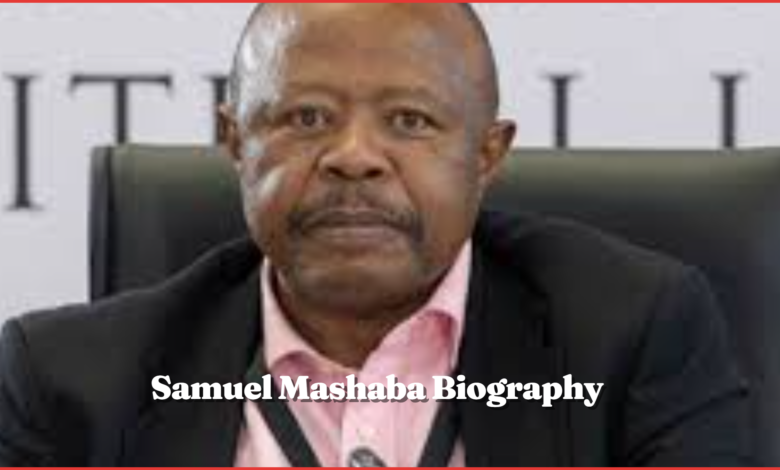
Samuel Mashaba was born in a rural peasant home in the Northern Transvaal (now part of Limpopo Province), South Africa. He is a South African national known for his role as a student activist during the 1976 Soweto Uprising and its extensions in Venda, later becoming a prominent minister in the Seventh-Day Adventist Church.
Samuel Mashaba emerged as a key figure in the student resistance against apartheid in the 1970s. His leadership in organizing protests in Venda highlighted the widespread nature of the uprising beyond urban centers like Soweto. Through his activism, imprisonment, and subsequent career in the church, he exemplified resilience, commitment to non-violent principles rooted in faith, and dedication to education and community upliftment. His story reflects the broader struggle of black South Africans against oppression and their pursuit of justice and equality.
Samuel Mashaba Early Life and Background
Samuel Mashaba was born around 1957 or 1958 in a poor peasant family in the remote areas of the Northern Transvaal, specifically linked to the Venda region near Sibasa. He was the fourth and last child in the home. His father was illiterate, and his mother had only reached Standard 2 (roughly fourth grade). The family lived in humble conditions typical of rural black households under apartheid, with limited resources and opportunities.
Despite the poverty, Mashaba’s mother placed immense value on education. She insisted that all her children attend school, pushing them forward even when resources were scarce. His elder brothers, once they experienced the benefits of schooling, supported and encouraged him. This maternal influence proved pivotal; Mashaba later described reaching college as something of a miracle, crediting his mother’s determination.
The household had a Christian foundation, becoming more devout from around 1961. This faith shaped Mashaba’s worldview, particularly his aversion to violence even in the midst of political struggle. His elder brother played a significant role in his political awakening, introducing him early to ideas of injustice under apartheid through books, pamphlets, and discussions. Materials like Roots, accounts of Nelson Mandela’s life, and the Rivonia Trial helped form his understanding of the broader liberation movement long before secondary school.
Family dynamics were complex. While one elder brother was deeply involved in activism and the Black Consciousness Movement (BPC), another brother, a teacher, aligned more with the system, creating lasting tension. Mashaba recalled police raids on the family home as early as 1968-1969 due to his brother’s activities. His mother provided refuge to activists, demonstrating quiet courage. These experiences instilled in Mashaba a strong sense of justice, family loyalty mixed with pain, and a commitment to non-violent resistance.
Samuel Mashaba Education
Mashaba attended local schools in the Venda area and became a senior student at Tshivase High School near Sibasa by the mid-1970s. The school served as a hub for student organizing in the region. He completed Standard 8 (Form 3 or equivalent) around the time of the 1976 uprisings.
His education extended beyond formal schooling. Through self-reading and discussions with family and BPC figures like Dean Farisani and his own elder brother (Reverend Mashaba), he gained deep knowledge of apartheid’s injustices, Black Consciousness philosophy, and historical resistance. This intellectual preparation made him more politically aware than many peers.
Mashaba later pursued higher education, managing to attend college despite the disruptions of activism, arrests, and the challenges of rural black life under apartheid. He viewed this achievement as a testament to his mother’s emphasis on learning and the collective support within his family. His educational journey intertwined with activism, as schools became sites of conscientization and resistance against Afrikaans as a medium of instruction and other oppressive policies.
Samuel Mashaba Career
Samuel Mashaba’s early career was defined by student leadership and anti-apartheid activism. As chairman of the local BPC branch at Tshivase High School, he organized students, led strikes, and coordinated with other schools. Tshivase was seen as a center of the movement in Venda. On September 6, 1976, he helped launch the Zoutpansberg Students’ Organisation (ZOSO) at Sibasa, uniting students from various institutions.
He led protests against Afrikaans as the medium of instruction, drawing inspiration from Soweto events via media like The World newspaper and visitors from Johannesburg. Activities included conscientizing students on black worth and apartheid’s ills, boycotting classes for months, destroying “Bantu” examination papers, and attempting to disrupt exams across schools. His approach emphasized non-violence, protecting school property and avoiding destruction despite tensions.
In 1976, Mashaba was arrested as accused number two alongside 34 other students. They spent about two months in prison before court proceedings moved from Sibasa to Louis Trichardt. Legal support came through BPC networks. He faced risks, including police interrogation and beatings, but showed composure.
After the intense period of activism, Mashaba transitioned to religious service. He became a minister in the Seventh-Day Adventist Church, rising to a senior position. His faith, present from childhood, guided his rejection of violence and focus on moral leadership. As a minister, he continued community work, education, and spiritual guidance, contributing to post-apartheid reconciliation and development in South Africa.
His career trajectory from student organizer to church leader illustrates a shift from direct political confrontation to institutional and spiritual influence, while maintaining commitment to justice.
Samuel Mashaba Achievements
Samuel Mashaba achieved significant milestones in the anti-apartheid struggle and beyond. As a teenager, he played a central role in extending the 1976 uprising to Venda, organizing strikes, founding ZOSO, and leading conscientization efforts. His leadership helped mobilize rural students, demonstrating the national scope of resistance.
He endured arrest, imprisonment, and police harassment yet maintained principles of non-violence and strategic action. His testimony in later interviews provided valuable historical insight into student experiences, family impacts of activism, and the role of Black Consciousness.
In the church, Mashaba advanced to senior ministerial roles, influencing spiritual communities across South Africa. His emphasis on education, drawn from his mother’s values, likely extended to mentoring youth. He contributed to the moral fabric of society during and after apartheid, promoting peace and community support.
Mashaba’s life story serves as an inspiration for resilience, with his survival and success against odds highlighting the power of determination, faith, and collective effort. His accounts enrich South Africa’s historical record of the Soweto era.
Samuel Mashaba Personal Life
Details on Samuel Mashaba’s personal life beyond family are limited in public records. He grew up in a large, tight-knit but divided family, with ongoing tensions due to differing political paths. His relationship with his mother remained a source of strength and pride. Faith has been central, shaping his family life and views on violence and justice.
As a minister, he likely balanced pastoral duties with family responsibilities. His story reflects the personal costs of activism, including family rifts and constant police scrutiny, yet also the redemptive aspects of forgiveness and moving forward in a changing South Africa.
Conclusion
Samuel Mashaba’s life embodies the spirit of South Africa’s liberation struggle. From humble rural beginnings to student leadership in 1976 and a distinguished role in the church, he demonstrated courage, intellect, and principled commitment. His contributions to resistance and community service continue to resonate, offering lessons in resilience, education, and peaceful advocacy for future generations.
FAQs
Who is Samuel Mashaba?
Samuel Mashaba is a South African anti-apartheid activist and Seventh-Day Adventist minister known for his student leadership in Venda during the 1976 uprisings.
When and where was Samuel Mashaba born?
He was born around 1957-1958 in a peasant home in the Northern Transvaal (Venda region), South Africa.
What was Samuel Mashaba’s role in 1976?
He served as chairman of the BPC branch at Tshivase High School, led strikes against Afrikaans instruction, helped form ZOSO, and was arrested as a key organizer.
What is Samuel Mashaba’s current or later profession?
He became a senior minister in the Seventh-Day Adventist Church.
How did Samuel Mashaba’s family influence his path?
His mother emphasized education, and an elder brother introduced him to political ideas, though family divisions arose from differing alignments.