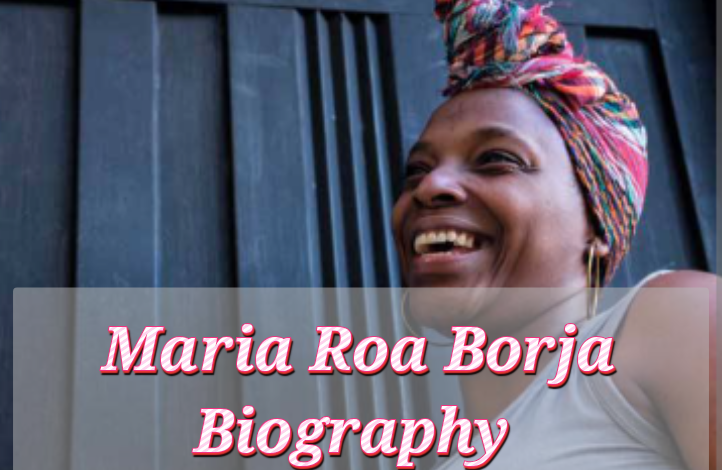
María Roa Borja Biography
María Roa Borja is an Afro-Colombian activist and leader who has worked hard to improve the lives of domestic workers in Colombia. She founded a union that fights for better rights, fair pay, and respect for women in this job. Her story shows how one person can bring real change through determination and community work. She moved from a rural area to the city because of violence, faced hard times as a domestic worker, and turned those challenges into action for others.
Her full name is Perxides María Roa Borja. People know her best as María Roa Borja. She was born in Apartadó, a town in the Urabá region of Antioquia, Colombia. This area had banana farms and faced a lot of conflict from armed groups. She grew up on a banana plantation with her family. Life there was tough due to poverty and danger.
María Roa Borja Early Life and Background
María was born in Apartadó, Antioquia. She spent her childhood on a banana farm. Her family worked in agriculture, and the region was known for its violence during Colombia’s long armed conflict. Guerrilla groups were active there, and many families suffered losses.
One tragic event changed her path. Her sister was killed in an attack by armed groups. This happened when her sister was young, had just finished high school, and was planning to get married. The violence forced María to leave her home. She arrived in Medellín at the age of 18 in 1996. This move was common for many people from rural areas who fled the conflict. Colombia has seen millions displaced by war over decades.
In Medellín, María started working as a domestic worker to support herself. She had dreamed of becoming a teacher earlier in life. A teenage pregnancy had stopped those plans and made her focus on survival. She worked long hours in homes, often facing low pay, little rest, and unfair treatment. Many domestic workers in Colombia, especially Afro-Colombian women, dealt with these issues. The job was hidden in private homes, which made it hard to get help or fair conditions.
María experienced racial comments and heavy workloads. She often worked from early morning until late at night. She saw her own children only on weekends, and even then, not fully. These experiences built her understanding of the problems many women faced. She later said that the fight for domestic workers was not just about work, but also about gender and ethnic rights for Afro-Colombian people.
María Roa Borja Career
María began her leadership work after years in domestic service. She saw the need to organize and educate other workers about their rights. In 2013, she helped found the Unión de Trabajadoras Afrocolombianas del Servicio Doméstico, known as UTRASD. This union started in Medellín with a small group of women. It grew to include over 150 members from different backgrounds.
The union’s main goal is to defend the rights of domestic workers. Colombia has nearly one million people in this job, many from poor or displaced families. The union teaches about laws, helps workers join social security, and pushes for better treatment. It fights against exploitation, such as very long hours without proper pay or benefits.
Under María’s leadership as president, UTRASD has made important progress. It helped support rules from the Labor Ministry that require health insurance and other benefits for domestic workers. Colombia also followed an international treaty from the International Labour Organization in 2012 to set standards for this work. The union has spoken in public forums, met with government officials, and shared information to empower women.
María has focused on intersectional issues. She explains that domestic work problems connect to being a woman, Afro-Colombian, and from a low-income group. The union welcomes workers from all ethnic groups. It has changed how people talk about domestic workers, moving from old ideas about race or cooking skills to focus on labor rights.
In recent years, María continued her education. In 2024, she graduated as a social worker from Corporación Universitaria Minuto de Dios. This fulfilled a long-held dream of studying that had been delayed by early life challenges.
Her work has inspired similar efforts in other places. It shows how organizing can lead to better laws and respect.
María Roa Borja International Recognition and Awards
María’s efforts gained attention beyond Colombia. In 2015, she was invited to speak at Harvard University in the United States. She took part in a conference called “Women and Work for Peace Building.” This was her first trip outside Colombia. She gave a 20-minute talk in the Tsai Auditorium that moved many listeners. She shared her story and the struggles of domestic workers.
That same year, she received honors in Colombia. She was named one of the 20 Best Leaders of Colombia. The newspaper El Espectador also chose her as Person of the Year. These awards recognized her quiet but strong work to improve lives.
Her story reached more people through media and books. In 2022, Paula Moreno wrote a book called “Soñar lo imposible” that includes María’s life. This book helped spread her message. In 2026, Netflix released a series called “Defying Destiny” (known in Spanish as “María la Caprichosa”). It is based on her real experiences and the book. The show stars Karent Hinestroza as María. It has brought her fight to a global audience, highlighting issues like racism, class differences, and women’s rights.
These recognitions show how her local work has had wider impact.
María Roa Borja Personal Life
María keeps much of her private life out of the public eye. She focuses on her work and community instead of sharing family details widely. She has children, and her early pregnancy shaped her path. She has spoken about seeing her children only on limited weekends due to work demands.
She values education and growth. Her 2024 graduation as a social worker marks a personal achievement. She continues to live in Medellín and lead UTRASD. Her life centers on helping others and building a better future for women like her.
Conclusion
María Roa Borja’s journey is one of strength and change. From a girl in a violent rural area to a leader who founded a union and influenced laws, she shows what determination can do. She turned personal hardships into tools to help thousands of domestic workers gain respect and rights.
Her story reminds us that labor rights connect to gender and ethnic equality. She has empowered women to know their worth and demand fair treatment. Through UTRASD, awards, and now a popular series, her message reaches far.
María continues her work today. She proves that real progress comes from listening to those most affected and acting together. Her life encourages others to fight for justice in their own communities.
FAQs
What is María Roa Borja known for?
She is known for founding UTRASD in 2013 and leading the fight for domestic workers’ rights in Colombia. She pushes for fair pay, benefits, and respect, especially for Afro-Colombian women.
Where was María Roa Borja born and why did she move to Medellín?
She was born in Apartadó, Antioquia. She moved to Medellín in 1996 at age 18 because of violence in her area, including the loss of her sister in an armed attack.
How did she start her activism?
After years of hard work as a domestic worker with unfair conditions, she decided to organize others. She founded UTRASD to educate workers and demand better laws.
What achievements has she had in labor rights?
She helped support rules for health insurance and benefits. Her union has grown and shifted public talk to focus on rights. She spoke at Harvard in 2015 and won awards that year.
Is the Netflix series “Defying Destiny” based on her true story?
Yes. Released in 2026, it draws from her life and the book “Soñar lo imposible” by Paula Moreno. It shows her challenges and work for change.
How has violence shaped her life?
The armed conflict in Urabá forced her displacement. Family losses and danger pushed her to the city, where she faced new struggles but found purpose in advocacy.