Joseph Kakunda Biography: Early Life, Education, Career, Age, Personal Life and Controversies

Joseph Kakunda Biography
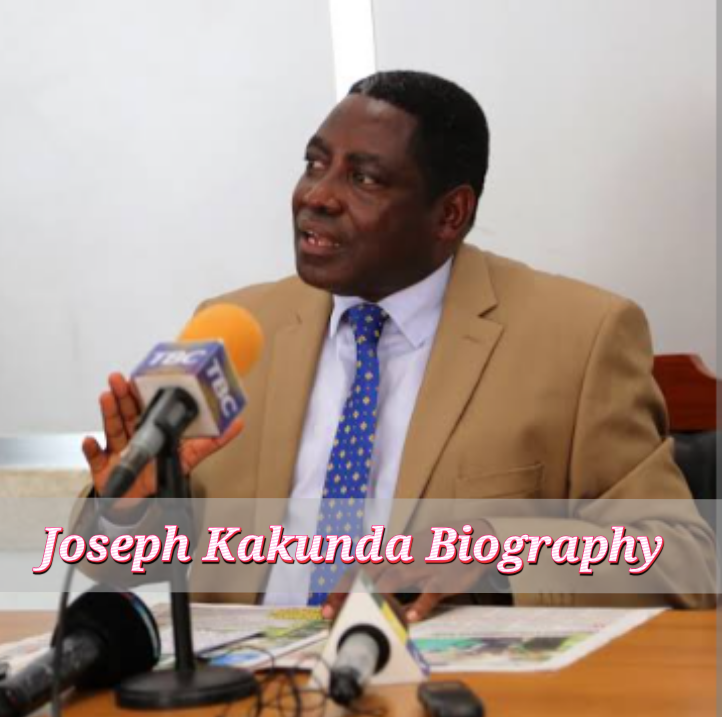
Joseph Kakunda is a name that stands out in Tanzanian politics. He served as a member of parliament for Sikonge constituency from 2015 to 2025. He also held key government posts, including minister of industry and trade. Born on September 15, 1968, Kakunda rose from a rural background in Tabora Region to become a key figure in the ruling Chama Cha Mapinduzi party, known as CCM. His story shows how education and public service can lead to high-level roles in government.
This article looks at Kakunda’s life in detail. It covers his early years, education, career path, challenges he faced, personal details, and his overall influence. Readers will learn about Tanzania’s political system along the way. For example, CCM has been the main party since Tanzania’s independence in 1961. It focuses on development and unity. Kakunda’s work fits into this bigger picture. He helped with economic growth and local governance. By reading this, you will understand not just who Kakunda is, but also how politicians like him shape the country.
Tanzania is in East Africa with over 60 million people. Politics there involves elections every five years. MPs represent areas like Sikonge, which is in Tabora Region. This region is known for agriculture, such as tobacco and maize farming. Kakunda’s time in office aimed to improve life for people there. His journey started in a small village and led to national decisions. This makes his biography inspiring for young Tanzanians interested in public service.
The article uses facts from public records and news sources. Dates come from official announcements, like his appointment as minister on November 10, 2018. It avoids guesses and sticks to what is known. This way, readers get reliable information. Now, let’s start with his early life.
Joseph Kakunda Early Life and Background
Joseph Kakunda came into the world on September 15, 1968. He was born in Tabora Region, in western Tanzania. Public records point to a rural setting, likely Utyatya Village in Kitongoji cha Maviti. This area is typical of many Tanzanian villages. People there farm and raise livestock to make a living. Life can be hard with limited access to schools and health care.
Growing up in Tabora shaped Kakunda’s views. The region has a mix of ethnic groups, including the Nyamwezi people. Family life in such places often revolves around community and hard work. Though details about his parents or siblings are not widely shared, it is clear his background was modest. This is common for many Tanzanian leaders who start from simple roots.
In the 1970s and 1980s, Tanzania was building its nation after independence. President Julius Nyerere promoted ujamaa, a system of collective farming. This influenced young people like Kakunda. He saw the need for better infrastructure, like roads and water systems. These early experiences likely pushed him toward public service. Tabora is also known for its history in trade routes during colonial times. This might have sparked his interest in economics and development.
As a child, Kakunda would have attended local schools. Primary education was free under government policy. This helped many kids from poor families learn basic skills. His upbringing taught him about regional issues, such as poverty and the importance of agriculture. Sikonge constituency, which he later represented, covers parts of Tabora. It has challenges like dry weather and limited jobs. Understanding these problems from personal experience made him a relatable leader.
Kakunda’s early life shows the value of resilience. From village life to national politics, he bridged rural and urban worlds. This background helped him connect with voters. In Tanzania, politicians often highlight their roots to gain trust. Kakunda did this by focusing on local development in his career. His story encourages others from similar places to aim high.
Joseph Kakunda Education
Education played a big role in Joseph Kakunda’s success. He started with primary school from 1978 to 1984. This was at a local school in Tabora Region. Primary education in Tanzania teaches basics like reading, math, and Swahili. It sets the foundation for further studies.
Next, Kakunda attended Minaki High School. This is a well-known secondary school in Tanzania. It has a history of producing leaders. He studied there during his teen years. High school covers subjects like science, history, and English. Kakunda likely excelled, as he moved on to higher education.
He then went to the University of Dar es Salaam. This is Tanzania’s top university, founded in 1970. Kakunda studied economics or a related field, based on his later work. The university is in Dar es Salaam, the biggest city. Moving there from rural Tabora was a big change. Students learn about development, policy, and business. This prepared him for government jobs.
University life in Tanzania involves lectures, group work, and exams. Many students join clubs or discuss politics. CCM has strong ties to campuses. Kakunda’s time there built his knowledge in economics. He graduated before starting his career in the 1990s. Education gave him tools to analyze problems and find solutions.
In Tanzania, higher education is key for public roles. Many MPs have degrees. Kakunda’s path shows how learning opens doors. It also highlights the need for better schools in rural areas. His success motivates young people to study hard.
Joseph Kakunda Career
Joseph Kakunda’s career began in public service. From 1996 to 2000, he worked as a local government officer. He started as Economist II and rose to Principal Economist. This role involved planning budgets and projects for communities. Local governments handle things like schools and roads.
In 2000, he moved to central government. He became Director of Program Coordination at the Ministry of Water. This lasted until 2015. Water is vital in Tanzania, where many lack clean sources. His job was to coordinate programs for better water access. He helped with national plans to build wells and pipes.
From 2006 to 2007, Kakunda worked with the United Nations Development Program. He was Community Development Coordinator for the Mbola Millennium Village Project in Tabora. This project aimed to reduce poverty through health, education, and farming help. It was part of global efforts to meet development goals.
In 2015, Kakunda entered politics. He joined CCM, the ruling party. CCM stands for Chama Cha Mapinduzi, meaning Party of the Revolution. It has governed since 1977. Kakunda won the election for Sikonge MP on October 25, 2015. He started his term on October 29, 2015. Sikonge is in Tabora, so he knew the area well.
As MP, he asked 114 questions in parliament and gave 237 answers. He made 79 contributions to debates. These numbers show his active role. Parliament discusses laws and budgets. Kakunda focused on industry, trade, and local issues.
On October 10, 2017, he became Deputy Minister in the President’s Office for Regional Administration and Local Government. This role helps coordinate between central and local authorities. He served until November 10, 2018.
Then, on November 10, 2018, President John Magufuli appointed him Minister of Industry, Trade, and Investment. Later, it became Minister of Industry and Trade on January 8, 2019. He promoted business forums and industrialization. Tanzania aims to become a middle-income country by boosting factories and exports.
His ministerial term ended on June 8, 2019. After that, he continued as MP. He won re-election in 2020 for the 2020-2025 term. During this time, he supported CCM policies on economy and governance.
Kakunda’s career shows steady progress. From economist to minister, he focused on development. His work in water and industry helped Tanzania’s growth. GDP rose during his time, partly due to such efforts. He also used social media, like X (formerly Twitter) at @JGKakunda, to share views. His bio there calls him an economist and business analyst.
In Tanzania, careers like his are common for CCM members. The party values experience in government. Kakunda’s path educates readers on how politics works. It involves elections, appointments, and serving people.
Joseph Kakunda Controversies
Joseph Kakunda faced challenges in his career. The main one was his removal as minister on June 8, 2019. President John Magufuli sacked him after a meeting with businessmen on June 7, 2019. They complained about poor performance in the Ministry of Industry and Trade.
Specific issues included complicated procedures that hurt business. Traders faced delays at ports and tax problems. One big problem was finding markets for cashew nuts. The government owned over 200,000 tonnes of raw cashews. Kakunda did not solve this well. The president said ministers should visit regions and listen to people, not wait for him to act.
This sacking was part of Magufuli’s style. He fired officials for underperformance. It showed accountability but also raised questions about stability. Kakunda was not accused of corruption, just poor supervision.
After the sacking, Innocent Bashungwa took over. Kakunda returned to his MP role. He did not face further public issues. In 2025, he did not run for re-election, or at least was not nominated by CCM for Sikonge. The party chose Amosy William Maganga instead.
Controversies like this teach lessons. In politics, results matter. Kakunda’s case highlights the need for active leadership. It also shows how presidents in Tanzania have power to appoint and remove ministers. This keeps government focused on goals.
Joseph Kakunda Personal Life
Details about Joseph Kakunda’s personal life are private. He lives in Dar es Salaam, Tanzania’s commercial hub. This is common for MPs, as parliament meets there. He is from Tabora but moved for work.
Kakunda is male and a Tanzanian citizen. His email is jkakunda@gmail.com, from public records. His phone number was listed as 0758436565 in a 2017 report.
He describes himself as an economist and monitoring specialist. On social media, he shares about politics and economy. No public info on family, like wife or children. Politicians often keep this private to protect them.
In spare time, he might research topics like economics. His LinkedIn shows connections in government. Living in Dar es Salaam offers access to city life, like markets and events.
Personal life for leaders like him involves balance. They travel between home areas and the capital. This can be tiring but rewarding. Kakunda’s story shows dedication to country over personal fame.
Conclusion
Joseph Kakunda’s life is a tale of growth and service. Born in 1968 in Tabora, he used education to build a career. From University of Dar es Salaam to ministry roles, he focused on development. As MP for Sikonge from 2015 to 2025, he represented his people. His time as minister from 2018 to 2019 aimed at industry growth.
Though he faced a sacking in 2019 over performance, he showed resilience. His work in water, trade, and local government helped Tanzania. CCM’s policies on economy owe some success to leaders like him.
Today, in 2026, Kakunda is a former MP. His legacy is in policies that boosted jobs and infrastructure. Young Tanzanians can look to him as an example. Politics needs honest work and education.
FAQs
What is Joseph Kakunda’s political party?
Joseph Kakunda is a member of Chama Cha Mapinduzi, or CCM. This is Tanzania’s ruling party since 1977.
Why was Joseph Kakunda sacked?
He was sacked on June 8, 2019, by President John Magufuli. Reasons included poor supervision of the ministry and failure to find markets for cashew nuts.
What roles has Joseph Kakunda held in government?
He was MP for Sikonge from 2015 to 2025. He served as Deputy Minister for Regional Administration from October 10, 2017, to November 10, 2018. Then, Minister of Industry and Trade from November 10, 2018, to June 8, 2019.
Where is Sikonge Constituency?
Sikonge is in Tabora Region, western Tanzania. It covers rural areas focused on agriculture.
What are Joseph Kakunda’s contributions to Tanzania’s economy?
He promoted industrialization and trade forums. As minister, he pushed for better business policies. Earlier, he coordinated water programs for development.