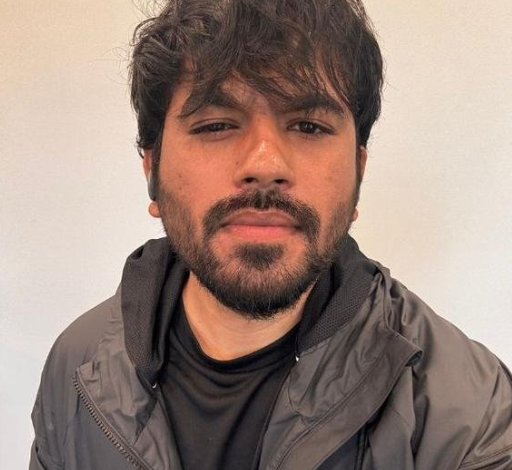
Abhijeet Dipke Biography
Abhijeet Dipke is an Indian political communication strategist, digital activist, and founder of the viral satirical movement known as the Cockroach Janta Party. Born in Pune, Maharashtra, he has gained significant attention for leveraging social media and humor to engage young Indians in political discourse. His work emphasizes narrative building, public messaging, and the power of digital platforms in shaping opinions.
In a short span, Dipke transformed a moment of public frustration into a nationwide online phenomenon. The Cockroach Janta Party, launched in response to a controversial judicial remark, quickly amassed millions of followers and registrations, highlighting youth discontent with institutions, unemployment, and governance. His approach blends satire, meme culture, and strategic communication, making complex issues accessible to a new generation.
Early Life and Background
Abhijeet Dipke was born on 29 September 1995 in Pune, India. He holds Indian nationality. Growing up in Pune, a city known for its educational institutions and vibrant youth culture, he was exposed early to media, public discussions, and social dynamics. This environment nurtured his interest in communication and storytelling.
Details about his family remain relatively private, as Dipke tends to keep personal matters away from the spotlight. He comes from Maharashtra and has been described in some contexts as connected to the Dalit community. His early years in Pune shaped a keen awareness of social issues, which later influenced his digital activism and political engagement. The city’s dynamic atmosphere, with its mix of tradition and modernity, likely contributed to his ability to connect with diverse audiences through innovative online strategies.
From a young age, Dipke showed aptitude for creative expression and analysis of current affairs. This foundation prepared him for a career that would bridge traditional journalism with the fast evolving world of digital media and public relations. His formative experiences in India instilled values of accessibility and youth empowerment, themes that prominently feature in his later work.
Education
Dipke pursued his undergraduate studies in journalism in Pune. This education provided him with essential skills in reporting, media ethics, and effective storytelling, which became cornerstones of his professional approach. Journalism training helped him understand how narratives are constructed and disseminated, particularly in the Indian context.
He later moved to the United States for higher education. Dipke completed a two year master’s degree in Public Relations at Boston University in Massachusetts. There, he deepened his expertise in how communication influences public perception, especially in the digital age. Courses at Boston University focused on strategic messaging, crisis communication, and the role of social platforms in politics. He recently graduated, bringing fresh academic insights back to his practical work.
This international exposure broadened his perspective, allowing him to blend Indian grassroots realities with global communication strategies. His academic journey reflects a deliberate path toward mastering tools that empower voices in democratic processes.
Career
Abhijeet Dipke began his professional journey in digital media and political communication. Between 2020 and 2023, he volunteered with the social media team of the Aam Aadmi Party. During the 2020 Delhi Assembly elections, he contributed to meme based campaigns that effectively engaged young voters and shaped online discourse for the party. His efforts highlighted the potential of humorous, relatable content in serious political contexts.
After his AAP involvement, Dipke focused on personal growth and further studies. He took time to prepare applications for universities abroad and prioritized financial stability. His transition to Boston University marked a shift toward academic and strategic refinement of his skills. Upon completing his master’s, he emerged as a thoughtful commentator on public relations and digital influence.
Dipke’s career centers on narrative building and public messaging. He analyzes how digital platforms affect political opinions and works to create content that resonates with audiences, especially youth. His background combines hands on campaign experience with theoretical knowledge, positioning him uniquely in India’s evolving media landscape.
In May 2026, Dipke founded the Cockroach Janta Party. This initiative started as a satirical response but evolved into a broader movement. He quickly built a website, designed a logo, crafted a manifesto, and even released a party anthem, all within days using accessible tools including AI assistance. The party channels youth frustration through humor while addressing serious issues like institutional accountability and unemployment.
His work demonstrates a commitment to innovative activism. Rather than traditional routes, Dipke entered the public arena through digital means, proving that strategic online presence can mobilize large groups effectively. The rapid growth of his initiatives underscores his understanding of contemporary communication trends.
Recent News
The Cockroach Janta Party gained massive traction shortly after its launch on 16 May 2026. Triggered by Chief Justice Surya Kant’s remark comparing certain individuals to cockroaches, the movement flipped the narrative into empowerment and satire. Within days, it attracted over a lakh sign ups and millions of followers across platforms.
Dipke defended the party’s five point agenda, which calls for independent institutions, stricter election accountability, and 50 percent reservation for women in legislatures and cabinets. He emphasized the goal of an ideal India with neutral judiciary, Election Commission, and media. Celebrities and public figures showed interest, amplifying its reach.
Recent developments include the party surpassing major political entities in Instagram followers. Discussions continue around its satirical yet impactful nature, with debates on whether it signals deeper political ambitions. Dipke addressed allegations regarding past AAP links, clarifying his volunteer role and inspiration from certain policies while maintaining independence.
The movement sparked conversations on youth unemployment, education reforms, and institutional trust. Protests and online campaigns, including creative elements like insect costumes, kept it in headlines. As of late May 2026, it remains a trending topic reflecting Gen Z’s political awakening.
Personal Life
Abhijeet Dipke maintains a relatively private personal life. He prefers focusing public attention on his professional endeavors and the causes he supports. Available information suggests he is unmarried and has no children. His family continues to reside in India, while he splits time between academic commitments in the US and digital activism.
Dipke’s lifestyle reflects his digitally native generation. He engages deeply with internet culture, which informs his creative output. Despite rapid fame, he emphasizes humility and collective action over individual spotlight. His background from Maharashtra and experiences abroad shape a balanced worldview that values both local issues and global perspectives.
He has spoken about taking time for personal stability before pursuing advanced studies. This period of reflection highlights a thoughtful approach to balancing career ambitions with life priorities. Overall, his personal narrative remains secondary to the public movements he initiates.
Achievements
Dipke’s primary achievement is founding and rapidly scaling the Cockroach Janta Party into a viral phenomenon. In under a week, it gathered hundreds of thousands of members and millions of followers, demonstrating exceptional digital mobilization skills.
His contributions to AAP’s 2020 campaign showcased effective meme driven youth engagement, influencing electoral strategies. Completing a master’s from Boston University while maintaining active online presence reflects strong time management and dedication.
The movement successfully highlighted youth issues like unemployment and institutional reforms on a national scale. It inspired creative protests and public discourse, earning recognition from various quarters including opposition voices. Dipke’s ability to turn criticism into constructive satire stands as a notable accomplishment in modern activism.
He has built a personal brand as a political strategist focused on accessible communication. His work encourages young people to participate in democracy through familiar digital languages, potentially influencing future political participation trends in India.
Conclusion
Abhijeet Dipke represents a new wave of activists who harness digital tools and humor to address serious societal challenges. From his roots in Pune to international education and viral political innovation, his journey illustrates the power of strategic communication in contemporary India. The Cockroach Janta Party, though satirical, has sparked genuine conversations among youth and challenged traditional power structures.
As digital landscapes evolve, figures like Dipke highlight the importance of engaging new generations on their terms. His emphasis on accountability, inclusion, and independence offers a fresh perspective on public service. While the long term impact of his initiatives remains to be seen, their immediate success underscores a hunger for change and participation. Dipke’s story encourages reflection on how satire, technology, and determination can drive meaningful discourse in democracy.
FAQs
Who is Abhijeet Dipke?
Abhijeet Dipke is an Indian political communication strategist and founder of the Cockroach Janta Party. He specializes in digital narratives and youth engagement.
When and where was Abhijeet Dipke born?
He was born on 29 September 1995 in Pune, Maharashtra, India.
What is the Cockroach Janta Party?
It is a satirical political movement launched by Dipke in May 2026, addressing youth issues through humor and a five point manifesto focused on reforms.
What is Abhijeet Dipke’s educational background?
He studied journalism in Pune for his undergraduate degree and completed a master’s in Public Relations at Boston University.
Did Abhijeet Dipke work with any political party before founding CJP?
Yes, he volunteered with the Aam Aadmi Party’s social media team from 2020 to 2023, contributing to digital campaigns.
What are the main goals of the Cockroach Janta Party?
The manifesto emphasizes independent institutions, electoral integrity, women’s reservation, media freedom, and anti defection measures.
How quickly did the Cockroach Janta Party grow?
It gained over a lakh members and millions of followers within days of launch, becoming a major online trend.