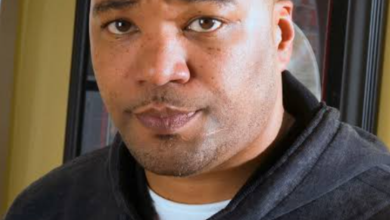
Celso Roberto Biography: Net Worth, Age, Awards, personal Life, Education, Career

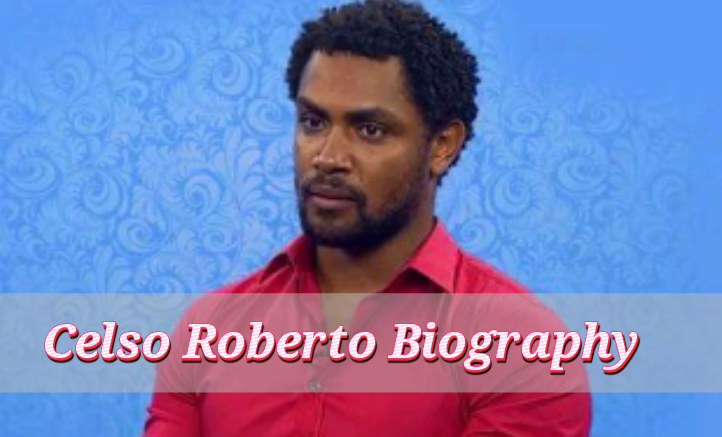
Celso Roberto Biography
Celso Roberto stands out as a key figure in Angolan entertainment. He has built a career that spans over two decades, making him a household name in Angola and beyond. Born in the mid-1970s, he entered the acting world at a time when Angolan media was growing after years of civil unrest. His work in popular telenovelas has helped shape modern African storytelling on screen. This biography explores his path, showing how one person’s dedication can influence a nation’s cultural scene.
Angola, a country in southern Africa, has a rich history. It gained independence from Portugal in 1975, the same year Celso Roberto was born. The country then faced a long civil war that lasted until 2002. During this period, arts and media struggled, but they began to flourish afterward. Celso Roberto’s rise mirrors this recovery. He represents the talent emerging from Angola’s provinces, proving that success can come from humble beginnings.
As an actor, DJ, and music producer, Celso Roberto wears many hats. His versatility shows the creative spirit of Angolan artists. In this article, readers will learn about his early years, professional achievements, and lasting influence. The goal is to provide clear facts that educate and inspire, especially young people interested in the arts. By understanding his story, one can see how entertainment connects with society and culture in Africa.
Celso Roberto Early Life
Celso Roberto Ferreira Carlos came into the world on April 8, 1975, in Cubal, a town in Benguela Province, Angola. Benguela sits along the Atlantic coast and has a history tied to trade and agriculture. During the 1970s, Angola was transitioning from colonial rule to independence. The Portuguese left, but conflict soon followed. This environment shaped many lives, including Celso Roberto’s.
Growing up in Cubal, he experienced a mix of rural and urban influences. Benguela Province is known for its beaches, farms, and diverse communities. Families there often worked in fishing or farming. Though details about his parents and siblings are not widely shared, it is clear that his childhood involved the everyday realities of post-independence Angola. Resources were limited, and education focused on basic skills amid ongoing challenges.
As a child, Celso Roberto showed interest in performance. Angola’s culture includes music, dance, and storytelling, which likely sparked his passion. Traditional festivals and community events provided early exposure to the arts. By the 1990s, as peace talks began, media outlets like Televisão Pública de Angola (TPA) started producing local content. This opened doors for young talents like him. His early life teaches that perseverance in tough times can lead to opportunities.
Celso Roberto Education
Information on Celso Roberto’s formal education remains limited in public records. Many Angolan artists from his generation focused on practical skills rather than advanced degrees, due to the country’s circumstances. The civil war disrupted schools, and access to higher education was uneven. In Benguela, basic schooling was available, but specialized training in arts was rare.
It is possible he completed secondary education in local institutions. Angola’s system emphasizes subjects like math, language, and history. For acting, he likely learned through hands-on experience. In the early 2000s, TPA offered workshops for aspiring performers. Celso Roberto’s debut in 2001 suggests he trained informally, perhaps through community theater or self-study.
Today, Angola has improved its education, with universities like Agostinho Neto offering arts programs. Celso Roberto’s story highlights the value of lifelong learning. He has expanded his skills in music production, showing that education goes beyond classrooms. For readers, this section underscores how determination can overcome educational barriers in developing nations.
Celso Roberto Personal Life
Celso Roberto keeps much of his personal life private, focusing public attention on his work. He has four children, as shared in a 2018 interview. Family plays a central role in Angolan culture, where extended relatives often support one another. He describes himself as a likeable person, suggesting a warm personality off-screen.
In terms of relationships, details are scarce. He maintains an active presence on social media, including Instagram at actor_celsoroberto8_oficial and TikTok at celsoroberto497. Posts often show everyday moments, travels, and family glimpses without revealing too much. In 2025, he shared a note about ending the year positively, indicating an optimistic outlook.
Living between Angola and Portugal, he balances career and personal commitments. Portugal has a large Angolan community due to historical ties. This mobility reflects many Africans’ experiences in the diaspora. His personal life illustrates the blend of tradition and modernity in Angolan society, where family bonds remain strong amid global changes.
Celso Roberto Net Worth
Estimating Celso Roberto’s net worth is challenging, as no official figures exist. In the entertainment industry, especially in Angola, earnings vary. Actors in telenovelas might earn between $5,000 and $20,000 per project, based on regional standards. His roles in major shows like Windeck likely provided steady income.
Additional ventures as a DJ and producer at Kavi Studio add to his finances. Music events in Angola can pay well, and production work offers royalties. Social media endorsements might contribute, though not at Hollywood levels. As of 2026, a rough estimate places his net worth around $500,000 to $1 million, considering assets like property or vehicles.
Angola’s economy relies on oil, but arts funding is growing. TPA and private producers support local talent. For education, readers should note that net worth reflects hard work in a competitive field. Celso Roberto’s financial path shows how diversifying skills can build stability in creative careers.
Celso Roberto Career
Celso Roberto’s career began in 2001 with the miniseries Vidas Ocultas on TPA. Based on a novel by Pepetela, it marked Angola’s push for original content after the war. He played a supporting role, gaining notice for his natural talent.
In 2012, he starred in Windeck, a telenovela about ambition and society in Luanda. Produced by Semba Comunicação, it aired in Angola and Portugal. Celso Roberto’s character dealt with themes like corruption and love, earning praise. The show won international awards, boosting Angolan media’s profile.
Next came Jikulumessu in 2014, another hit exploring education and revenge. He co-starred with actors like Micaela Reis and Fredy Costa. This role showcased his range, from drama to intensity. In 2016, A Impostora on Portuguese TV featured him in a story of deception. It reached audiences in Brazil and Africa, expanding his fame.
Beyond acting, he works as a DJ and producer. At Kavi Studio, he creates music blending Angolan rhythms with modern beats. His Instagram highlights performances and collaborations. Over 20 years, he has appeared in various projects, including potential cameos in films.
Here is a list of his key works:
Vidas Ocultas (2001) – Debut miniseries.
Windeck (2012) – Lead role in social drama.
Jikulumessu (2014) – Education-themed telenovela.
A Impostora (2016) – International production.
His career educates on Angola’s telenovela boom. These shows address real issues, like inequality, helping viewers reflect on society. Celso Roberto’s contributions have inspired new actors, proving local stories can resonate globally.
Celso Roberto Controversies
Celso Roberto has faced limited public controversies, but one incident in 2023 drew attention. A video showed him working as a bus driver in Portugal, leading to online criticism. Some viewers mocked him, suggesting it demeaned his acting status. Others saw it as a sign of Angola’s economic struggles, where even celebrities seek work abroad.
The clip sparked debates on social media about devaluation in Angola. High inflation and job scarcity push many to emigrate. Celso Roberto responded calmly, emphasizing that honest work is honorable. No legal issues arose, and the matter faded quickly.
In Angola, public figures often face scrutiny over finances or politics. However, Celso Roberto avoids partisan ties. This event teaches about media’s role in shaping perceptions. It highlights challenges for artists in developing economies, where multiple jobs are common.
Celso Roberto Legacy
Celso Roberto’s legacy lies in elevating Angolan entertainment. His roles in telenovelas have promoted cultural pride, showing Africa’s stories to the world. Windeck, for example, was nominated for an International Emmy in 2013, a first for Angola.
He influences young talents by diversifying into music. This approach encourages creativity beyond one field. In a continent where media is growing, his work supports soft power, fostering ties with Portugal and Brazil.
As of 2026, his impact continues through social media, where he engages fans. Future generations may see him as a pioneer who bridged traditional and modern arts. His story educates on resilience, inspiring those in similar backgrounds.
Conclusion
Celso Roberto’s journey from Cubal to stardom embodies hope and hard work. Through acting and music, he has enriched Angolan culture. His life reminds us that talent thrives despite obstacles. As Angola develops, figures like him pave the way for future artists.
Readers can follow his updates online or watch his shows to appreciate his contributions. His biography not only informs but motivates, showing the power of perseverance.
FAQs
What is Celso Roberto best known for?
He is famous for roles in telenovelas like Windeck, Jikulumessu, and A Impostora.
Where was Celso Roberto born?
He was born in Cubal, Benguela Province, Angola, on April 8, 1975.
Does Celso Roberto have other careers?
Yes, he is a DJ and music producer at Kavi Studio.
Is Celso Roberto married?
Public details on his marital status are not available, but he has four children.
What controversies has he faced?
In 2023, he was criticized online for working as a bus driver in Portugal, sparking talks on economic issues.
How has he impacted Angolan culture?
His work has boosted local media and inspired young performers.
What is his net worth?
It is estimated around $500,000 to $1 million, though not officially confirmed.
Where can I follow him?
On Instagram at actor_celsoroberto8_oficial and TikTok at celsoroberto497.