Ketema Kebede Biography: Career, Early Life, Education, Net Worth, Age, Awards

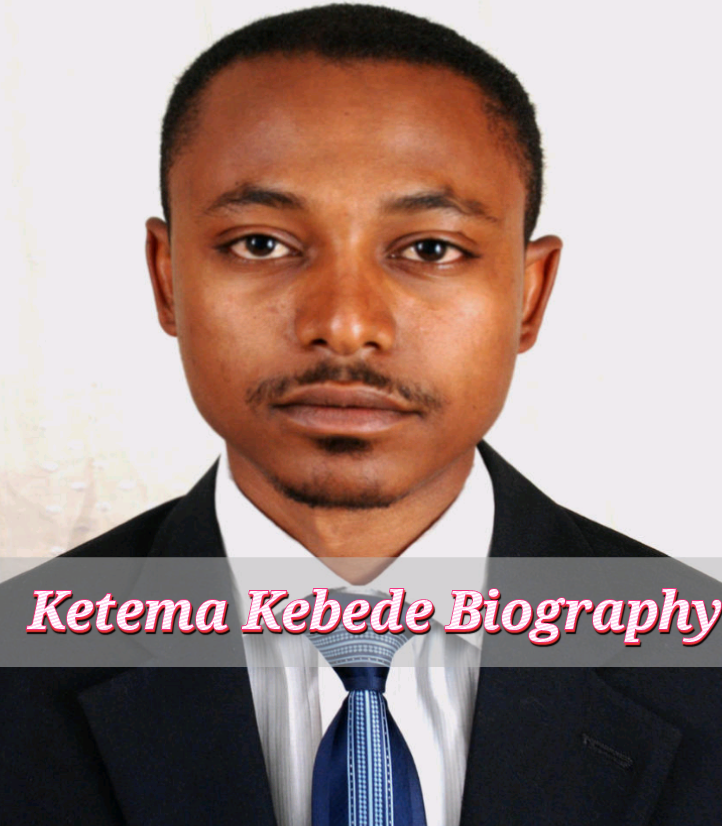
Ketema Kebede Biography
Ketema Kebede stands out as a key figure in Ethiopia’s business world. He built KK Private Limited Company, known as KK PLC, from a small start into a major player in textiles and other sectors. His journey shows how hard work and smart choices can lead to big success in a growing economy. Born in Ethiopia, Kebede used his family’s trading skills to launch his venture in the 1970s. Over time, he grew it into a company that exports goods across Africa and beyond. This biography looks at his life to teach readers about entrepreneurship in Africa. It covers his beginnings, work life, and influence. Readers can learn from his story how one person can help a country’s economy grow. Kebede’s path inspires many young people in Ethiopia and other places to start their own businesses. In a nation where farming and trade form the base of the economy, his focus on manufacturing added jobs and boosted exports. Ethiopia’s economy has seen ups and downs, from political changes in the 1970s to more open markets later. Kebede navigated these to build a lasting company. His story fits into the wider picture of African business leaders who turn local resources into global products. By reading this, you will understand not just his life but also how businesses like his support communities. For example, textiles provide everyday items like blankets, which improve life for many. Kebede’s company also deals in coffee exports, a big part of Ethiopia’s income. This introduction sets the stage for deeper looks at each part of his life. We aim to keep things simple and clear, so everyone can follow along and gain knowledge.
Ketema Kebede Early Life
Details about Ketema Kebede’s early years are not widely shared in public records. What we know comes from company history and business reports. He grew up in Ethiopia during a time of big changes. The 1970s saw political shifts, including the end of the monarchy in 1974 and the start of a new government. These events shaped the economy, making trade both tough and full of chances. Kebede’s family had a background in trading, which gave him a strong start. They dealt in items like blankets and sweaters, common in Ethiopian markets. This family knowhow helped him see business opportunities young. As a youth, he began his own small venture in 1976, focusing on selling acrylic yarn and similar goods in high demand. Acrylic yarn is used for making warm clothes, vital in cooler parts of Ethiopia. Starting small, he acted as owner, manager, and worker all in one. This hands on approach taught him key lessons in running a business. Ethiopia in the 1970s had limited resources, so entrepreneurs like him had to be creative. He likely learned from watching family trades and local markets in places like Addis Ababa. The capital city was a hub for commerce, with bustling shops and importers. Growing up there or nearby would expose him to diverse people and ideas. His early efforts show resilience, as building a business then meant dealing with supply shortages and rules. By using family ties, he sourced materials locally at first. This kept costs low and built trust with suppliers. Over time, his small shop grew, showing how personal drive can overcome hurdles. For readers, this part of his life teaches that starting with what you know can lead to growth. Many successful people begin humbly, like Kebede did. His story reminds us that early experiences shape future paths. In Africa, where many families trade goods, this is a common way to enter business. Kebede’s beginnings highlight the value of learning from home and community. Without much formal detail, we can see his youth focused on practical skills over theory. This practical mindset helped him spot needs in the textile market. Textiles have long been important in Ethiopia, with traditional weaving mixed with modern production. Kebede’s entry into this field built on that heritage. As he expanded, he added international touches, but it all started from those early local trades.
Ketema Kebede Education
Public information on Ketema Kebede’s formal education is scarce. Business profiles and company records do not detail schools or degrees he may have earned. This is common for self made entrepreneurs who learn through experience rather than classrooms. In Ethiopia during his youth, education access varied, especially in rural or trading families. Many focused on family businesses instead of long studies. Kebede likely gained knowledge from real world trading rather than books. His success suggests he was self taught in areas like finance, supply chains, and market trends. For instance, starting KK PLC in 1976 needed understanding of demand and supply, skills often picked up on the job. He may have attended local schools in Addis Ababa or elsewhere, but no records confirm this. Ethiopia’s education system in the 1960s and 1970s emphasized basics, with higher learning for few. Kebede’s path shows that formal degrees are not always needed for business wins. Instead, he built expertise through years of work. This includes learning about imports, exports, and manufacturing. By the 1990s, when KK PLC formalized, he had enough knowhow to hire staff and grow. For aspiring business people, this teaches that ongoing learning matters more than early schooling. Kebede probably studied markets by talking to traders and watching trends. In textiles, knowing fabrics and dyes comes from practice. His ability to acquire a manufacturing plant later shows sharp business sense, likely honed without advanced degrees. Readers can take away that education comes in many forms. In developing economies like Ethiopia, hands on training often leads to success. Kebede’s story encourages lifelong learning, whether through mentors or trial and error. Without specific details, we assume his “education” was the school of life, full of real challenges and rewards.
Ketema Kebede Personal Life
Ketema Kebede’s personal life remains private, with few details in public sources. He is known as a proud Ethiopian, rooted in his home country. Some social media profiles linked to similar names mention being a father, but these may not be him. The businessman Kebede focuses on his company rather than sharing family stories. He lives in Ethiopia, likely in Addis Ababa, where KK PLC operates. His life revolves around business, with ties to Dubai or other places for trade. No reports mention spouses or children publicly. This privacy is common among African business leaders who keep family out of the spotlight. Kebede’s personal values seem tied to hard work and community. His company’s growth created jobs, showing care for others’ well being. In Ethiopian culture, family and community are key, so he likely supports relatives through his success. Without specifics, we can say his personal life supports his professional one. For readers, this shows balance between work and home is possible, even if details stay hidden. Kebede’s choice to stay low key teaches humility in success.
Ketema Kebede Net Worth
Estimates place Ketema Kebede’s net worth at about 800 million US dollars as of recent years. This comes from his ownership of KK PLC, a diversified company. Sources like business lists and videos rank him among Ethiopia’s top rich people. His wealth stems from textiles, real estate, logistics, and exports. For example, blanket manufacturing and coffee sales add to his income. In 2025 rankings, he appears in top 10 lists for Ethiopian businessmen. Net worth figures can change with market shifts, but his stays high due to steady growth. Compared to others like Mohammed Al Amoudi, who has billions, Kebede is a multi millionaire. His assets include factories, warehouses, and properties. Real estate investments in Ethiopia boost his value, as urban growth raises land prices. Exports to Africa and North America bring foreign cash. To understand, net worth is total assets minus debts. Kebede’s low profile means exact numbers are estimates. For education, this shows how diversification builds wealth. Starting with textiles, he added sectors to reduce risks. In Ethiopia’s economy, where inflation and policies affect business, his strategy worked. Readers learn that smart investments over time create lasting wealth. Kebede’s figure inspires, showing local success is possible.
Ketema Kebede Career
Ketema Kebede’s career began in 1976 with a small trading venture. He sold acrylic yarn and textiles, using family knowledge. By 1992, he formalized it as KK Private Limited Company in Ethiopia. At first, it distributed imported and local textiles for other firms. Quick growth led to hiring three staff in 1994 and renting an office. Under his lead as general manager, it became a top trading firm. By 2004, it partnered with global companies and diversified. A key move was buying a government textile plant, making KK a major blanket producer. Blankets sell nationwide through agents. The company also dyes acrylic yarn, with warehouses for stock. It imports heavy machines for mining, construction, and roads. Exports include Ethiopian coffee, cereals, and spices to Africa and North America. Real estate development adds another arm, with commercial and hotel projects. Logistics handles transit and forwarding. Shops like Mekato Wholesales and Kechene Retail sell products. The factory is near Kality in Addis Ababa. Over 40 years, KK grew into a multi sector company aiding Ethiopia’s economy. Kebede’s vision drove this, from one man operation to employer of many. His career teaches expansion through steps: start small, build team, diversify. In Ethiopia, where imports were key, he shifted to manufacturing for self reliance. This created jobs and cut foreign dependence. Exports boost national income, as coffee is a top earner. Real estate helps urban growth. For readers, his path offers lessons in leadership. Flexible management helped navigate changes like economic reforms in the 1990s. By 2017, Forbes noted him as a multi millionaire to know. His story shows how focusing on local needs leads to global reach. Textiles meet daily demands, while machinery supports infrastructure. Overall, Kebede’s career is a model for African business.
Ketema Kebede Controversies
No major controversies link to Ketema Kebede in public records. Business reports and lists praise his achievements without negative notes. In Ethiopia’s competitive market, some firms face issues, but none appear for him. His low key style may help avoid spotlight troubles. Without evidence, we stick to facts. This lack suggests clean operations focused on growth.
Ketema Kebede Legacy
Ketema Kebede’s legacy is his role in Ethiopia’s industrial growth. Through KK PLC, he created jobs in manufacturing and trade. Textiles provide affordable goods, improving lives. Exports like coffee strengthen the economy. His diversification into real estate and logistics supports development. As a self made leader, he inspires youth to pursue business. In lists of rich Ethiopians, he shows local success is achievable. His company contributes to GDP through production and taxes. By acquiring and upgrading a plant, he boosted local industry. This legacy aids community resilience and economic stability. Future generations can build on his model.
Conclusion
Ketema Kebede’s life tells a tale of turning small starts into big impacts. From 1976 trading to leading a diverse company, he shows what drive can do. His story educates on business in Ethiopia, with lessons in growth and diversification. Though details on personal life are few, his professional wins stand out. With a net worth of around 800 million dollars, he ranks high among peers. No controversies mar his record, adding to his positive image. His legacy supports Ethiopia’s progress, inspiring others. This biography aims to inform and motivate readers to explore entrepreneurship.
FAQs
Who is Ketema Kebede?
He is the founder of KK PLC, an Ethiopian businessman in textiles and more.
When did he start his business?
In 1976 as a small venture, formalized in 1992.
What is his net worth?
Estimated at 800 million US dollars.
What does KK PLC do?
Manufactures blankets and yarn, imports machinery, exports coffee, and develops real estate.
Are there any controversies?
No known ones in public records.
What is his legacy?
Job creation, economic growth, and inspiration for entrepreneurs.
Where is he from?
Ethiopia, with business based in Addis Ababa.
Does he have education details?
Not publicly known; likely self taught through experience.
What is his personal life like?
Private, with focus on business.
How did he grow his company?
Through diversification and smart partnerships.