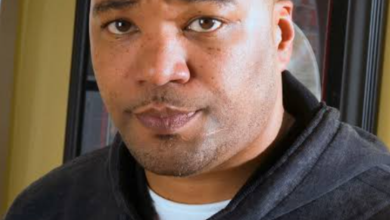
Pedro Fernando Biography: Education, Career, Early Life, Age, Awards, Net Worth

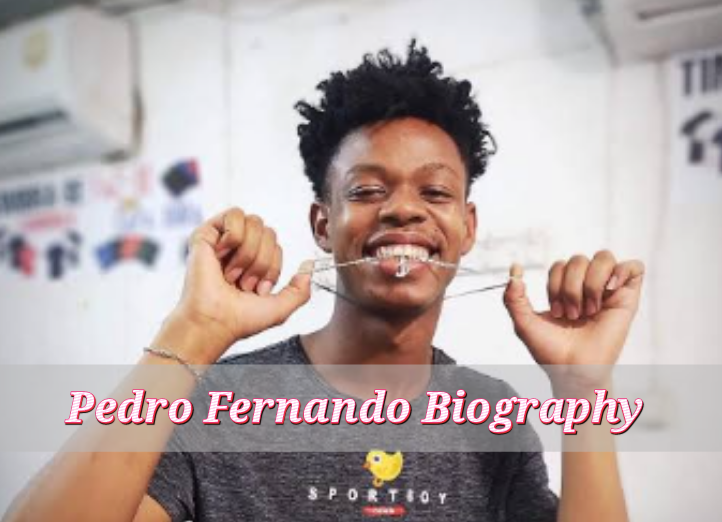
Pedro Fernando Biography
Pedro Fernando stands out as a key figure in the Angolan music world. Born on November 19, 1998, in Luanda, Angola, his real name is Paulo Fernando Fazenda Manuel. At 27 years old in 2026, he has built a career as a rapper, singer, songwriter, producer, and business leader. His work mixes trap, lofi, drill, and contemporary R&B sounds, drawing from urban life in Angola.
He started rapping as a teen and grew into a founder of his own label. This path shows how talent and hard work can lead to success in a tough industry. Readers can learn about the growth of hip hop in Africa through his story. It highlights themes like ambition and cultural pride. His music often talks about daily struggles and wins, making it relatable for young fans.
In Angola, hip hop has roots in local styles like kuduro, but Pedro brings in global trap vibes. This blend helps spread Angolan voices worldwide. His journey from street raps to label owner educates on the business side of music too. As an executive, he supports new artists, showing leadership in a growing scene. This biography covers his life step by step, offering facts and insights for easy understanding.
Pedro Fernando Early Life
Pedro Fernando came into the world on November 19, 1998, in the Golfe area of Luanda, Angola. Luanda is the capital city, known for its busy streets and mix of cultures. Growing up there shaped his view of life. Angola had just ended a long civil war in 2002, so the country was rebuilding. Many families faced hard times, but communities stayed strong.
As a child, Pedro saw the energy of urban Angola. Music filled the air, from traditional semba to modern beats. At age 14, in 2013, he began making simple raps. These were not pro tracks, just fun ways to express thoughts. He used what he had around him, like friends and local spots. This early start built his skills.
His family background stays private, but sources say he grew up in a typical Angolan home. The post war era meant focus on basics like food and safety. Yet, Pedro found joy in music. It became a tool to share stories of hustle and hope. Luanda’s streets taught him about real life issues, like poverty and dreams of better days.
By teens, he dove deeper into hip hop. American artists like those in trap influenced him, but he added Angolan twists. This mix made his style unique. Early life in Luanda gave him raw material for lyrics. Songs often touch on ambition and trust, themes from his youth. Readers can see how place affects art. In Africa, many artists rise from similar starts, using music to voice change.
Pedro’s story educates on Angolan culture. The country has rich resources, but many face inequality. His raps highlight this, making him a voice for youth. From Golfe to global streams, his early years set the foundation.
Pedro Fernando Education
Pedro Fernando’s school years happened in Luanda’s local spots. He went to Complexo Escolar Bom Amigo from 2007 to 2009. This school in Golfe focused on basic learning. After that, he attended Colégio Zeferino from 2010 to 2011. These early classes built his foundation in reading and math.
In 2013 and 2014, he studied at Colégio Afonso Vemba. By then, he was into music, so school mixed with raps. From 2015 to 2016, he was at Colégio Santo António in Belas, a part of Luanda. These schools offered standard education, like history and science.
No records show college for Pedro. He seems self taught in music. Many artists learn by doing, not formal classes. He picked up skills from listening and trying. This path is common in hip hop, where street smarts count.
Education helped him think clearly for lyrics. Schools in Angola teach in Portuguese, the main language. Pedro raps in it, reaching fans across Portuguese speaking lands. His story shows learning goes beyond classrooms. For readers, it explains how basics lead to big dreams. In music, passion often trumps degrees.
Pedro Fernando Personal Life
Pedro Fernando keeps his private world quiet. Little info exists on family or relationships. He focuses on music and business. Born in Luanda, he stays tied to his roots. Fans see him as down to earth.
His height is 1.83 meters, about 6 feet. Weight around 63.9 kilograms shows a slim build. These details come from old posts. He uses social media like Instagram at pedrofernandooficial to share updates.
Influences include American trap stars, but Angolan sounds shape him too. Kuduro and semba add flavor. He blends them for fresh tracks. Personal life seems calm, no big news on partners or kids.
He lives in Luanda, working on FCMG. This label takes much time. Friends in music help him grow. Readers learn artists balance life and work. Pedro’s low key style avoids drama. It lets focus on craft.
Health and hobbies stay unknown. But his songs suggest a thoughtful person. Themes like trust show deep views. In Africa, rappers often inspire youth. Pedro does this by staying true.
Pedro Fernando Net Worth
Pedro Fernando’s net worth is not public. As a niche artist in Angola, estimates put it at $50,000 to $200,000 in 2026. This comes from music sales, streams, and label work.
He earns from platforms like SoundCloud and YouTube. Tracks get over 630,000 streams total. In Angola, music pay is low, but global fans help. FCMG, his label since 2016, brings income from other artists.
No big deals or tours boost it high. Compared to stars like Travis Scott, it’s small. But for African hip hop, it’s solid. He started young, building slowly.
Factors like piracy hurt earnings in Africa. Yet, digital sales grow. Pedro’s worth shows hard work pays. Readers see music business realities. It’s not always millions. Smart moves like owning a label add value.
Future growth could raise it. New tracks and collabs help. Estimates use public data, no exact figures.
Pedro Fernando Career
Pedro Fernando’s career kicked off in 2013. At 14, he made amateur raps in Luanda. These simple starts built his flow. By 2016, he founded FCMG, or Favela Clássica Music Group. As CEO, he leads it.
He signed with B.N Produções and G10 Music Produções. This gave pro support. His debut EP, Golden God, dropped on December 19, 2016. It marked his rise.
Career highlights include collabs. He formed duo Favela Clássica in 2016. In 2017, he joined Big Clã Rappers. These groups expand his reach.
His music evolves from trap to lofi and drill. Themes cover life, ambition, and vibes. Production skills shine in beats.
Discography as a list:
Golden God (EP, 2016)
Confiar featuring Marcio Dallas (single, 2017)
Vibe featuring Rivas TrapKing and Lord (single, 2016)
Tô Fly (single, 2019)
Workin’ Freestyle (single)
I’m That Boy (single)
Fakes (single)
Inefável (single)
Quem sou eu? (single)
Golden God Intro (track)
Farto (track)
Celebro (track)
These releases show growth. Early ones like Vibe are raw. Later, like Tô Fly, polish up.
Achievements include influence in Angolan hip hop. Called one of the top of his generation. Streams hit high marks. He promotes African trap globally.
Career teaches on industry entry. Start small, build networks. In Angola, resources are limited, but talent wins. Pedro’s path educates aspiring rappers. Use digital tools for reach. His exec role adds business lessons.
From 2013 to now, he stays active. New projects keep fans hooked.
Pedro Fernando Controversies
Pedro Fernando faces few public controversies. No big scandals hit news. Instead, he deals with industry challenges. In Angola, music piracy is common. It cuts earnings.
Competition is tough. Many artists vie for spots. Limited funds make production hard. Pedro started with basics, facing these.
Some lyrics touch struggles, like fakes or trust. But no direct fights. His clean image helps.
Challenges include global reach. African artists fight for world attention. Language barriers with Portuguese exist.
No corruption or legal issues noted. Unlike some stars, he stays low drama.
Readers learn industries have hurdles. Success needs grit. Pedro’s story shows overcoming without mess.
Pedro Fernando Legacy
Pedro Fernando’s legacy grows in African hip hop. At 27, he inspires youth. Founding FCMG helps new talents. It builds a scene in Angola.
His music blends local and global. This pushes African sounds out. Fans see pride in roots.
As exec, he shows business smarts. Young people learn to own work.
Impact on culture: Trap in Angola owes to him. He paves ways for others.
Future prospects: More albums, intl collabs. Legacy as trailblazer.
Educates on African music rise. Not just Western. Pedro boosts diversity.
Conclusion
Pedro Fernando’s life shows rise from Luanda streets to music leader. Born in 1998, he started young and built big. His story educates on passion and work.
From early raps to FCMG, he adds value to hip hop. Simple style makes him relatable. Legacy inspires change.
Angolan music gains from him. Readers see real paths in art.
FAQs
What is Pedro Fernando’s real name?
His real name is Paulo Fernando Fazenda Manuel.
When was Pedro Fernando born?
He was born on November 19, 1998, in Luanda, Angola.
What genres does Pedro Fernando make?
He works in trap, lofi, drill, and contemporary R&B.
What label did he found?
He founded FCMG in 2016.
What is his debut album?
Golden God EP in 2016.
How tall is Pedro Fernando?
He is 1.83 meters tall.
What challenges has he faced?
Industry issues like piracy and competition.
What is his net worth?
Estimated $50,000 to $200,000.
What is his legacy?
Inspiring African youth in hip hop.
Where is he from?
Golfe, Luanda, Angola.