Simon Kimbangu Biography: Early Life, Career, Age, Cause of Death, Personal Life and Controversies

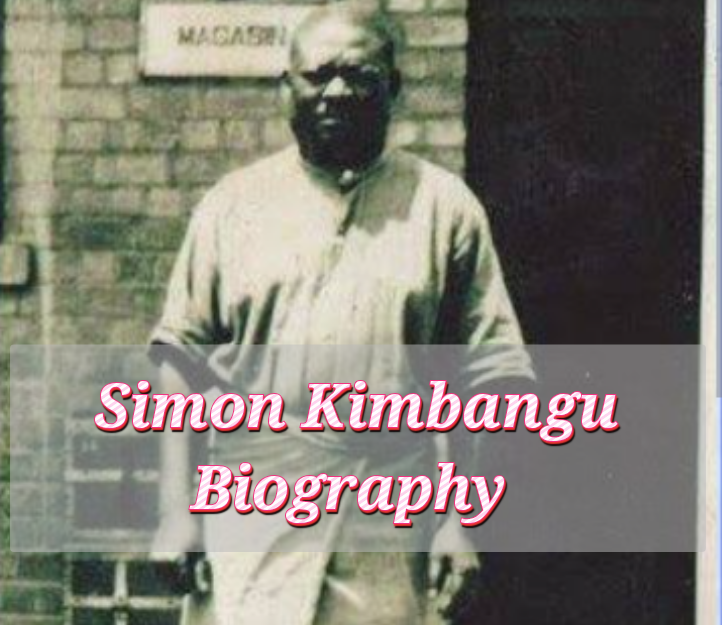
Simon Kimbangu Biography
Simon Kimbangu was a key figure in African religious history. He was a Congolese leader who started a Christian movement called Kimbanguism. Many people see him as a prophet who brought hope during hard times under colonial rule. His life shows how faith can mix with calls for change and freedom. This article looks at his story in simple terms to help readers understand his background, work, challenges, family life, and lasting impact.
Simon Kimbangu lived from September 12, 1887, to October 12, 1951. He was born in the village of Nkamba in what is now the Democratic Republic of the Congo (DRC). At that time, the area was under Belgian colonial control. Kimbangu grew up in a place where European missionaries brought Christianity, but many local people still held on to their own traditions.
In 1921, Kimbangu began a short but powerful public ministry. He preached about God, healed sick people, and drew large crowds. Followers called him a prophet, and his village became known as a holy place. His message focused on faith, healing, and better lives for Africans. However, colonial leaders saw his growing following as a threat. They arrested him after only a few months. He spent the rest of his life in prison.
Today, Kimbangu is remembered as a symbol of resistance and spiritual strength. His movement grew into the Kimbanguist Church, which has millions of members. It blends Bible teachings with African ways of worship. His story helps explain how African-led churches started and why they matter in modern Africa.
Simon Kimbangu Early Life and Background
Simon Kimbangu was born on September 12, 1887, in Nkamba village, near Mbanza-Ngungu. His parents were Kuyela and Luezi, from the Kikongo ethnic group. Both parents died when he was young. His aunt, Kinzembo, raised him.
He went to school at a Baptist Missionary Society station called Ngombe-Lutete. There, he learned to read and write. He also studied the Bible. In 1915, he and his wife were baptized on July 4. Kimbangu worked as a catechist, teaching Christian lessons in local areas.
As a young man, he had visions from God. One vision told him he was chosen to preach and help his people. He felt called to share the gospel in a way that fit African life. He tried to ignore the call at first and worked in other places like Kinshasa. But the visions continued. By 1921, he returned to Nkamba and began his work.
His early life was shaped by colonial life and missionary teaching. He knew the Bible well but wanted to make faith more relevant to Congolese people.
Simon Kimbangu Career
Kimbangu’s main work started in April 1921. On April 6, he healed a sick woman named Nkiantondo in Nkamba. Word spread fast. People came from far away to see him. Reports say he healed the sick, helped the blind see, and even raised the dead in some accounts.
He preached simple messages. He told people to follow God, stop using traditional charms, avoid polygamy, and love one another. He urged respect for leaders but focused on spiritual freedom. Crowds grew so large that people left their jobs to come to Nkamba, now called New Jerusalem.
His ministry lasted only from April to September 1921. In that short time, thousands followed him. He became known as Ngunza, meaning prophet. His work was nonviolent. He did not call for fights against the government.
Belgian officials worried about the large gatherings. They thought it could lead to unrest. In June 1921, they tried to arrest him. Kimbangu escaped at first but gave himself up on September 12, 1921. He told followers to stay calm and not fight.
His “career” as a public leader was brief, but it started a big change in African Christianity.
Simon Kimbangu Controversies
Kimbangu faced strong opposition from colonial rulers. They charged him with sedition, meaning stirring up trouble against the state. On October 3, 1921, a court sentenced him to death. The sentence included lashes. Later, King Albert I commuted it to life in prison after pleas from some missionaries.
The trial was quick and unfair by many accounts. No strong evidence showed he planned violence. His preaching was spiritual, not political. Still, his message of hope for Africans scared the authorities.
After his arrest, followers faced persecution. The movement went underground. People were arrested, sent away, or forced to stop meeting.
A main controversy today is how some view Kimbangu. In the Kimbanguist Church, he is seen as a special envoy or linked to the Holy Spirit, based on Bible verses like John 14:15-17. Some followers believe he was an incarnation of the Holy Spirit. Others see him as a prophet like those in the Bible. The official church teaches Christian beliefs but with African views. This has led to debates with other Christian groups, who sometimes question if it fits standard teachings.
These views come from his followers’ experiences. The church denies he claimed to be God himself. It stresses he pointed to Jesus.
Simon Kimbangu Personal Life
Simon Kimbangu married Marie Muilu Kiawanga. They had three sons: Charles Kisolokele (born around 1914), Salomon Dialungana Kiangani (around 1916), and Joseph Diangienda Kuntima (1918).
His family supported his work. His wife helped keep the movement alive while he was in prison. His sons later led the church after his death. Joseph Diangienda helped make it official in 1959.
Kimbangu lived a simple life as a farmer and teacher before 1921. In prison, he wrote letters and stayed faithful. He died on October 12, 1951, in Elisabethville prison (now Lubumbashi). He spent about 30 years there.
His family played a big role in passing on his teachings.
Conclusion
Simon Kimbangu’s life shows faith’s power in tough times. From a small village, he inspired millions through healing and preaching. Though imprisoned for decades, his ideas lived on. His followers built a church that grew strong after independence in 1960.
Today, the Kimbanguist Church has members in many countries. Nkamba remains a holy site. Kimbangu is a national hero in the DRC for his role in spiritual and cultural pride.
His story teaches about resilience, nonviolence, and blending faith with local culture. It reminds us how one person’s calling can change many lives.
FAQs
Who was Simon Kimbangu?
He was a Congolese religious leader born in 1887. He founded Kimbanguism and is seen as a prophet by his followers.
When and where was he born?
He was born on September 12, 1887, in Nkamba village, Belgian Congo (now DRC).
What did he do in 1921?
He started healing people and preaching in April 1921. His first reported miracle was healing a sick woman.
Why was he arrested?
Colonial authorities arrested him in September 1921. They feared his large following could cause trouble.
What happened at his trial?
On October 3, 1921, he was sentenced to death for sedition. The sentence was changed to life imprisonment.
Where and when did he die?
He died on October 12, 1951, in prison in Elisabethville (now Lubumbashi).
What is Kimbanguism?
It is a Christian movement started by his followers. It focuses on healing, prophecy, and African ways of worship.
Who led the church after him?
His son Joseph Diangienda helped form the official church in the 1950s. Later leaders include family members.
Is there controversy about his role?
Some see him as linked to the Holy Spirit. This differs from standard Christian views, leading to debates.
What is his legacy today?
He is a symbol of African independence in faith. His church continues to grow and help communities.